
Goal 11 – Sustainable Cities and Communities
https://sdgs.un.org/goals/goal11
Academic institutions are not isolated entities; they are deeply woven into the fabric of their surrounding communities. As urban populations expand and cities face unprecedented infrastructural challenges, universities must step forward as anchor institutions for sustainable urban development. United Nations Sustainable Development Goal 11 calls for making cities and human settlements inclusive, safe, resilient, and sustainable. For a college dedicated to applied medical sciences, this goal emphasizes the direct correlation between urban planning, environmental stewardship, and public health outcomes within the broader municipal area.
The physical footprint of a university significantly influences the local urban microclimate. In regions prone to extreme temperatures, densely constructed urban areas often suffer from the “urban heat island” effect, exacerbating heat-related illnesses and increasing energy demands. By integrating sustainable architectural practices—such as expansive green spaces, reflective roofing materials, and permeable walkways—a campus acts as a vital “green lung” for the city. These localized environmental cooling strategies not only protect the well-being of the student body but also passively improve the air quality and thermal comfort of the surrounding neighborhoods.
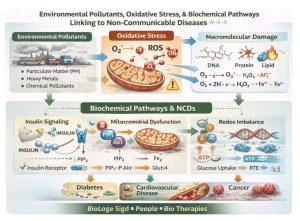
Furthermore, the intersection of urban sustainability and medical science is most evident in community health initiatives. A sustainable city requires a resilient healthcare infrastructure capable of addressing environmentally driven diseases. Academic faculties can actively contribute to Goal 11 by bridging the gap between clinical research and urban policy. By conducting localized epidemiological studies on how urban pollution, waste management, and traffic congestion affect public health, the university provides municipal leaders with the critical, data-driven insights needed to build safer, healthier civic environments.
Ultimately, the commitment to sustainable cities transforms the educational mission. It challenges students and faculty to look beyond the laboratory and clinic, viewing the entire city as a dynamic ecosystem that requires careful, proactive management. When a university models sustainable urban practices—from promoting low-emission commuting options to establishing community health outreach programs—it serves as a powerful catalyst for regional transformation. It proves that creating a sustainable, thriving city is a collaborative endeavor, deeply rooted in the continuous pursuit of scientific knowledge and civic responsibility.
References:
- United Nations. (2015). Transforming our world: the 2030 Agenda for Sustainable Development.
- World Health Organization. (2016). Health as the pulse of the new urban agenda.
- Elmqvist, T., et al. (2018). Urban Planet: Knowledge towards Sustainable Cities. Cambridge University Press.